



Google Ads has once again introduced an exciting update that gives affiliates and media buyers a new opportunity to increase their campaign performance. High-quality ads that previously appeared only at the top of Google’s search results page (SERP) can now also show up at the bottom of the same page. This means that your ad could appear twice on a single SERP and therefore double your visibility.
While to many affiliates, this change might seem small, it has the potential to open up massive possibilities for media buyers and affiliate marketers to increase their ad visibility, optimize their bidding strategies, and fully understand what makes an ad successful in Google’s eyes. So in this article, we’ll explain what has really changed, why it matters, and how affiliates can take full advantage of this change to maximize campaign results.
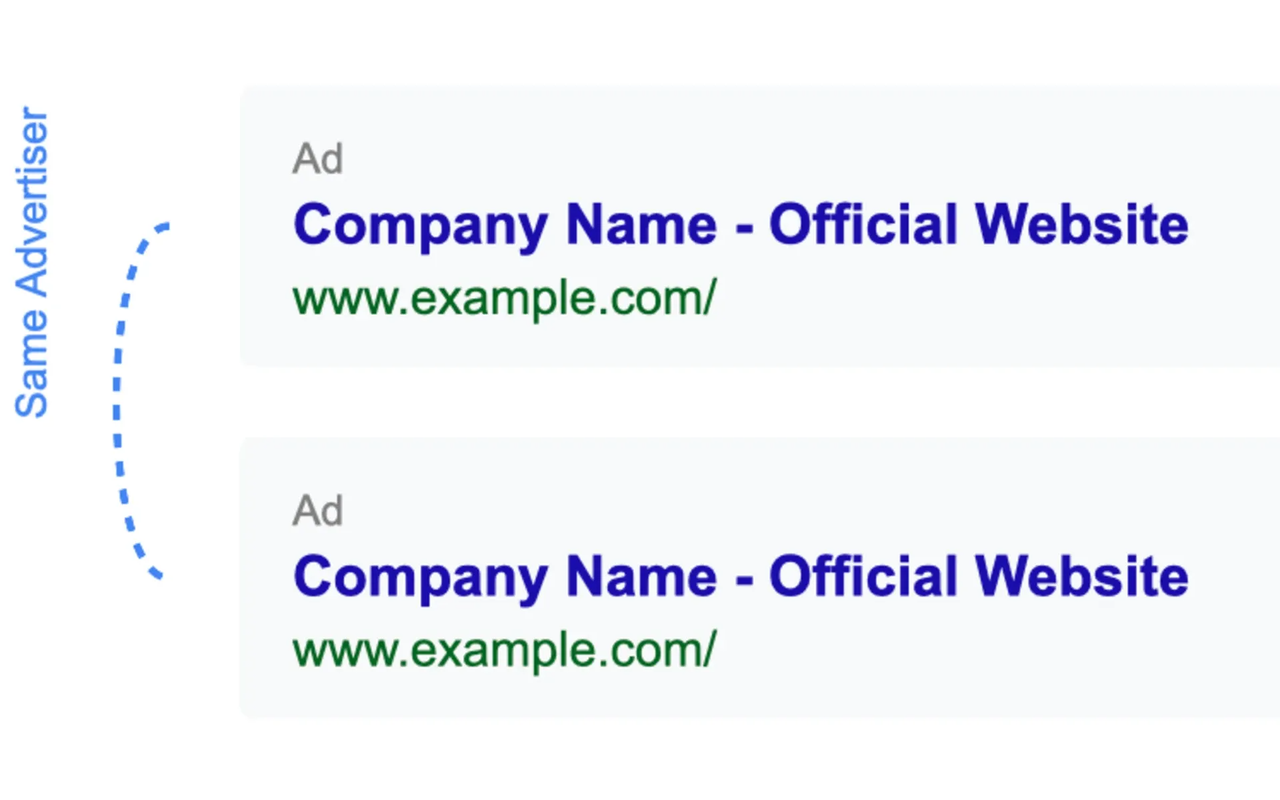
Until recently, Google Ads followed a strict rule: one advertiser could have only one ad per search results page, either at the top or the bottom. This restriction has now been lifted. If your ad is considered to be of “high quality” in a way that it earns a top position on the SERP, it may also qualify to appear at the bottom of the same page.
But why did Google make this change? The simple reason behind this change is that Google Ads now holds separate auctions for each ad placement. The top and bottom ad placements are treated as two distinct placements in the auction (unlike before when they were treated as one), and the ads compete for them separately. During testing of this innovation, according to Google, the number of impressions of relevant ads increased by 10%, and the number of conversions from the bottom positions jumped by 14%. This indicates not only an increase in the number of impressions, but also that the audience actively interacted with the “additional” ads.
However, this doesn’t mean media buyers can now relax and expect automatic results. Your ads must meet Google’s high standards for relevance and quality to appear in both positions. This is where trusted and "well-warmed-up" ad accounts can make a difference. For example, using Google Ads agency accounts from YeezyPay gives you a more reliable starting point. These accounts are less likely to face unexpected bans or suspensions, which even well-prepared accounts can encounter. Experienced affiliates all know that with trusted agency accounts, you can focus on creating high-quality campaigns without worrying about moderation issues derailing your efforts.
It also shows that Google continues to reward quality over quantity. If your ad headline and copy are weak, and your landing page experience is poor, you’re unlikely to benefit from double ad exposure in search. But if your landing page/pre-lander creatives and content are well-designed, relevant to your audience, and have clear calls to action, they’re twice as likely to be noticed and potentially convert. This move by Google also shows that they’re optimizing their ad inventory. By filling both the top and bottom ad spots with the best content, Google is making better use of each SERP rather than turning it into a cluttered wall of ads.
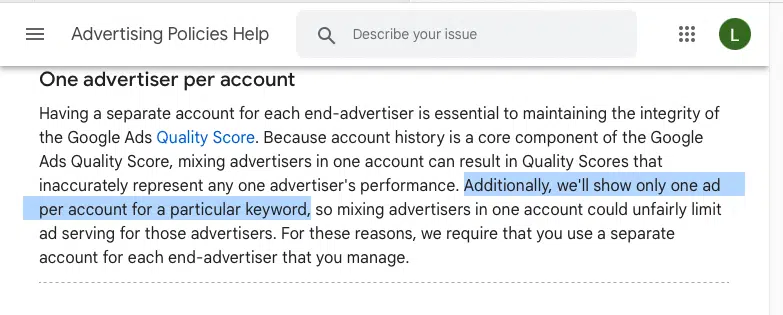
When this update was first announced, some advertisers and publishers were confused, as it seemed to conflict with Google’s “unfair advantage” policy. This policy bans “double ad serving,” where multiple ads from different accounts or domains promoting the same business appear in the same ad position to push out competitors.
Google clarified that the dual placement update doesn’t violate this policy. Because the top and bottom ad slots are determined by separate auctions, your ad isn’t competing against itself in the same auction. Instead, it earns the right to appear in two different areas of the page. As long as Google’s algorithms determine that your ads are relevant and valuable to users, this increased visibility is allowed under their rules.
At the same time, when testing new approaches, such as how to make the most of dual display, it is important to have a solid foundation in the form of agency accounts, which are highly trusted by the ad network, and their campaigns face less strict moderation.
You can rent such accounts from YeezyPay and enjoy extra benefits like professional support from experts who have experience working with Google. This can help you minimize the risks of bans during the testing phase and allow you to focus on achieving maximum ROI.
While to many affiliates, this change might seem small, it has the potential to open up massive possibilities for media buyers and affiliate marketers to increase their ad visibility, optimize their bidding strategies, and fully understand what makes an ad successful in Google’s eyes. So in this article, we’ll explain what has really changed, why it matters, and how affiliates can take full advantage of this change to maximize campaign results.
What has changed in Google search ad placement?
Until recently, Google Ads followed a strict rule: one advertiser could have only one ad per search results page, either at the top or the bottom. This restriction has now been lifted. If your ad is considered to be of “high quality” in a way that it earns a top position on the SERP, it may also qualify to appear at the bottom of the same page.
But why did Google make this change? The simple reason behind this change is that Google Ads now holds separate auctions for each ad placement. The top and bottom ad placements are treated as two distinct placements in the auction (unlike before when they were treated as one), and the ads compete for them separately. During testing of this innovation, according to Google, the number of impressions of relevant ads increased by 10%, and the number of conversions from the bottom positions jumped by 14%. This indicates not only an increase in the number of impressions, but also that the audience actively interacted with the “additional” ads.
However, this doesn’t mean media buyers can now relax and expect automatic results. Your ads must meet Google’s high standards for relevance and quality to appear in both positions. This is where trusted and "well-warmed-up" ad accounts can make a difference. For example, using Google Ads agency accounts from YeezyPay gives you a more reliable starting point. These accounts are less likely to face unexpected bans or suspensions, which even well-prepared accounts can encounter. Experienced affiliates all know that with trusted agency accounts, you can focus on creating high-quality campaigns without worrying about moderation issues derailing your efforts.
How double ad placement impacts campaign quality
For Google, the introduction of double ad placements from a single advertiser on a single page is not just an attempt to “squeeze” in more ads. The company stated back when it was testing this format that the main goal was to improve the experience for both users and advertisers. By allowing high-quality ads to appear in the bottom placements, Google ensures that users see relevant options whether they click immediately or scroll further down the page. At first glance, this is a minor change, but in practice, it can significantly affect the way media buyers develop ad creatives and bidding strategiesIt also shows that Google continues to reward quality over quantity. If your ad headline and copy are weak, and your landing page experience is poor, you’re unlikely to benefit from double ad exposure in search. But if your landing page/pre-lander creatives and content are well-designed, relevant to your audience, and have clear calls to action, they’re twice as likely to be noticed and potentially convert. This move by Google also shows that they’re optimizing their ad inventory. By filling both the top and bottom ad spots with the best content, Google is making better use of each SERP rather than turning it into a cluttered wall of ads.
Doesn't this contradict the "Unfair Advantage" policy?
When this update was first announced, some advertisers and publishers were confused, as it seemed to conflict with Google’s “unfair advantage” policy. This policy bans “double ad serving,” where multiple ads from different accounts or domains promoting the same business appear in the same ad position to push out competitors.
Google clarified that the dual placement update doesn’t violate this policy. Because the top and bottom ad slots are determined by separate auctions, your ad isn’t competing against itself in the same auction. Instead, it earns the right to appear in two different areas of the page. As long as Google’s algorithms determine that your ads are relevant and valuable to users, this increased visibility is allowed under their rules.
How can advertisers take advantage of this change?
The ability to have your ads appear twice on a single SERP brings new opportunities, as affiliates don’t need to make any special setup in their Google Ads account to take advantage of the dual placement. If your ads meet Google’s quality standards, they’ll automatically qualify to appear in both the top and bottom positions. However, this doesn’t mean you can sit back and do nothing; it requires careful planning to make the most of it. Here are the key things affiliates need to do in order to take advantage of this feature:- Monitor ad position performance: Affiliates are advised to use Google Ads’ segmentation tools to track where ads are appearing (top, bottom, or elsewhere) and compare their performance. This helps to understand which positions are driving the best results and whether you need to adjust your strategy.
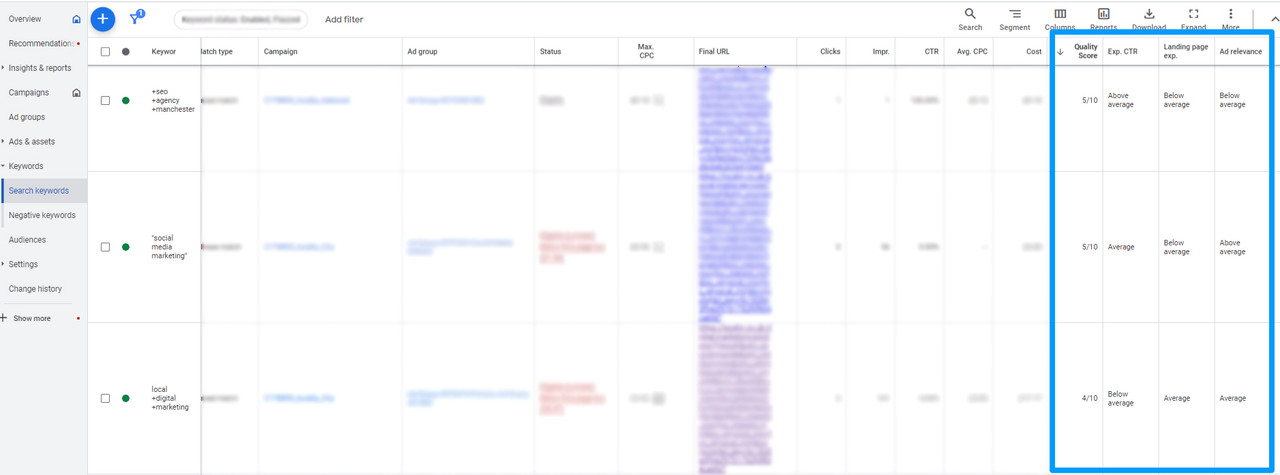
- Track CTR and conversion rates: Analyzing how click-through rates (CTR) and conversion rates vary between top and bottom placements is also important here. This data can guide your decisions, such as whether to bid more aggressively or optimize your ad copy and ad creatives to align with what works best. Every percentage point in conversion rate matters in affiliate marketing, so improving your Quality Score (a measure of ad relevance, expected CTR, and landing page experience) is very crucial. Trusted agency accounts from YeezyPay help here by reducing the risk of performance fluctuations caused by account trust issues, allowing you to focus on optimizing for these new opportunities.
- Optimize factors that impact quality score: Since Google prioritizes relevance, focus on improving three key areas:
- Expected CTR: Write compelling ad headlines and descriptions that encourage clicks.
- Ad relevance: Ensure your ad closely matches the user’s search query.
- Landing page experience: Create fast-loading, user-friendly landing pages with clear, relevant content and strong calls to action.
- Use automation strategically: Google’s Smart Bidding can automatically adjust bids to capitalize on new placement opportunities, but don’t rely on it blindly. Regularly review your placement data to ensure the algorithm aligns with your campaign goals. Human oversight is still crucial for fine-tuning.
- Focus on meaningful metrics: Clicks from bottom-placed ads may cost less than top-placed ones, but cheaper clicks don’t always mean better results. Affiliates should prioritize metrics like leads, sales, or other business outcomes over vanity metrics like impression volume.
Conclusion
Google's decision to allow top ads to appear at the bottom of search results reflects its ongoing actions to improve the user experience and ad relevance. While this change offers new opportunities, it also emphasizes the importance of ad quality and strategic planning.At the same time, when testing new approaches, such as how to make the most of dual display, it is important to have a solid foundation in the form of agency accounts, which are highly trusted by the ad network, and their campaigns face less strict moderation.
You can rent such accounts from YeezyPay and enjoy extra benefits like professional support from experts who have experience working with Google. This can help you minimize the risks of bans during the testing phase and allow you to focus on achieving maximum ROI.


